

When I hear the word “framework”, the words “structure”, “system”, “direction”, “pattern”, “foundation”, and “composition” come to mind. In order for physical structures [such as buildings] to maintain a strong integrity, a strong foundation, composition, and design should be considered by an engineer. For buildings, framework greatly influence their fate.
Even concepts such as assessment require a good framework. I have come to realize how a good framework for assessment should look like.
Cyclical Progression
But unlike buildings, assessment should follow a cyclical progression where adjustments in its components are desirable and needed for it to really work – to achieve the learning objectives. I have previously viewed grades as the final measure for assessment. But I know now that it is just one part of a larger story. Focusing too much on grades or scores limits our understanding on the extent of learning. Familiarizing ourselves with the components of assessment which involves processes and factors underlying each will establish our understanding of the framework.
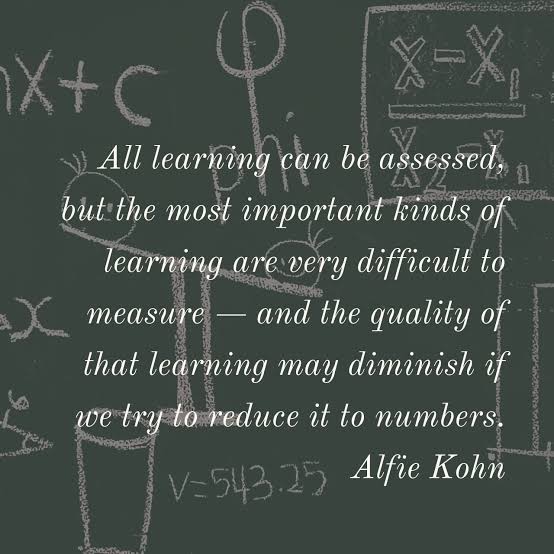
Components are not completely separated and should be in harmony in achieving the desired learning objectives.
Student Learning Outcomes Statement
In my case, this was not a common practice before college. I have appreciated the importance of this during my undergrad because I was given an idea of the minimum KSAPs (knowledge, skill, ability, personal character) I needed to learn. Informing the learners of the educator’s expectations will also provide an opportunity for the students to correspond their performance with the assessment measures to be used.
Assessment Plans
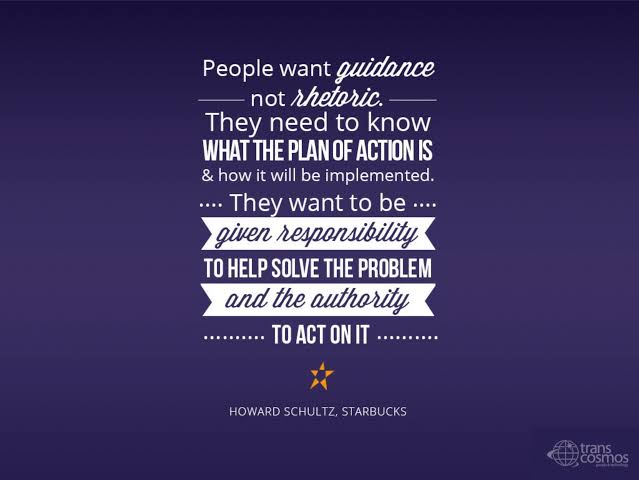
It is important that assessment plans of individual educators be supported in the institutional level, not confined within the classroom. Seminars and trainings on assessments would be effective if they are actually applied in practice and when educators are given the freedom to implement them. Brainstorming and agreement on data collection tools and approaches would give the management an idea of the educators’ attainable responsibilities and amount of liberty.
Assessment Resources
Based on a cursory interview with a friend who is a Junior High School teacher, the concept of assessment has been continuously instilled in their system from their undergraduate, pre-service, to in-service trainings. Why do we need to continuously train and update ourselves on assessments? Because the needs of students and employment requirements or demands are ever changing. We must strive to be competitive, if not, be two steps ahead of our game.
Current Assessment Activities
Timetables are inevitable. Educators should be aware of the completed assesments of student learning and future activities.
Evidence of Student Learning
Objective and quantifiable measure of learning are more standardized and readily accepted universally. There is no problem in using these, but if we are limited, we may not see the entire extent of student learnings. While qualitative measures of evidence are time-consuming, we must never forget to make it as objective as possible through rubrics and systematic criteria.
Use of Student Learning Evidence
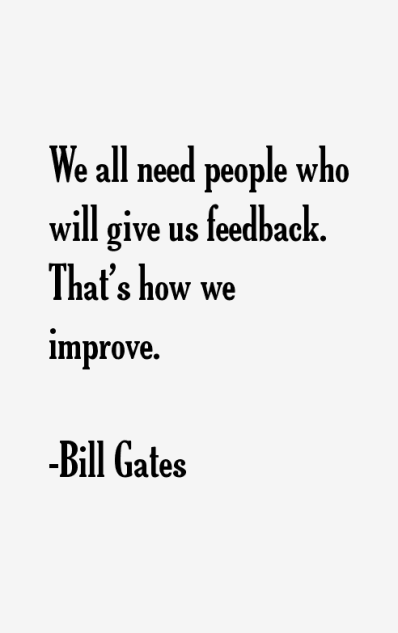
Evidences gathered are only as useful as how the educator could maximize their utility. Evidences are not just collected, but analyzed. It should be used to measure how much of the learning objectives have been attained and as inputs for improving course materials, learning experiences, and teaching methods. Results are categorized and evidences of higher order thinking questions or activities are given more gravity. Also, feedback coming from the learners themselves should be taken.
 Hinuha